The price comes from the shop and can change. Check price, size and delivery on the shop's page before you order.
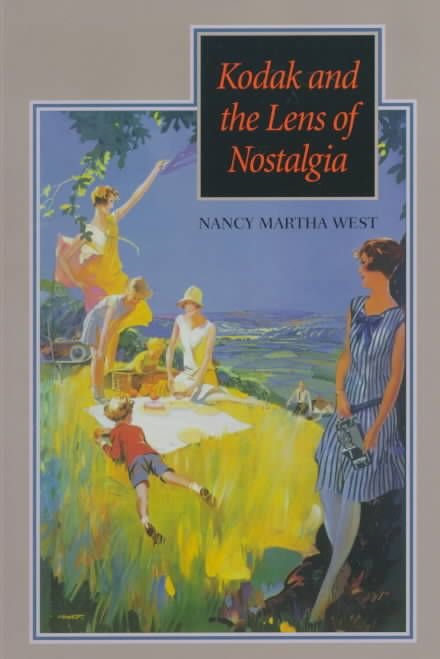
The advertising campaigns launched by Kodak in the early years of snapshot photography stand at the center of a shift in American domestic life that goes deeper than technological innovations in cameras and film. Before the advent of Kodak advertising in 1888, writes Nancy Martha West, Americans were much more willing to allow sorrow into the space of the domestic photograph, as evidenced by the popularity of postmortem photography in the mid-nineteenth century. Through the taking of snapshots, Kodak taught Americans to see their experiences as objects of nostalgia, to arrange their lives in such a way that painful or unpleasant aspects were systematically erased. West looks at a wide assortment of Kodak’s most popular inventions and marketing strategies, including the “Kodak Girl,” the momentous invention of the Brownie camera in 1900, the “Story Campaign” during World War I, and even the Vanity Kodak Ensemble, a camera introduced in 1926 that came fully equipped with lipstick. At the beginning of its campaign, Kodak advertising primarily sold the fun of taking pictures. Ads from this period celebrate the sheer pleasure of snapshot photography–the delight of handling a diminutive camera, of not worrying about developing and printing, of capturing subjects in candid moments. But after 1900, a crucial shift began to take place in the company’s marketing strategy. The preservation of domestic memories became Kodak’s most important mission. With the introduction of the Brownie camera at the turn of the century, the importance of home began to replace leisure activity as the subject of ads, and at the end of World War I, Americans seemed desperately to need photographs to confirm familial unity. By 1932, Kodak had become so intoxicated with the power of its own marketing that it came up with the most bizarre idea of all, the “Death Campaign.” Initiated but never published, this campaign based on pictures of dead loved ones brought Kodak advertising full circle. …